
Evaluating Mobility System Performance Requirements
Evaluating mobility system performance requirements involves defining the specific metrics—such as accessibility, reliability, and efficiency—that a…
Read article
Sensors · software · trust
Field notes on automotive sensing, platform integration, and the psychology of handing control to AI on real roads.
Read the journal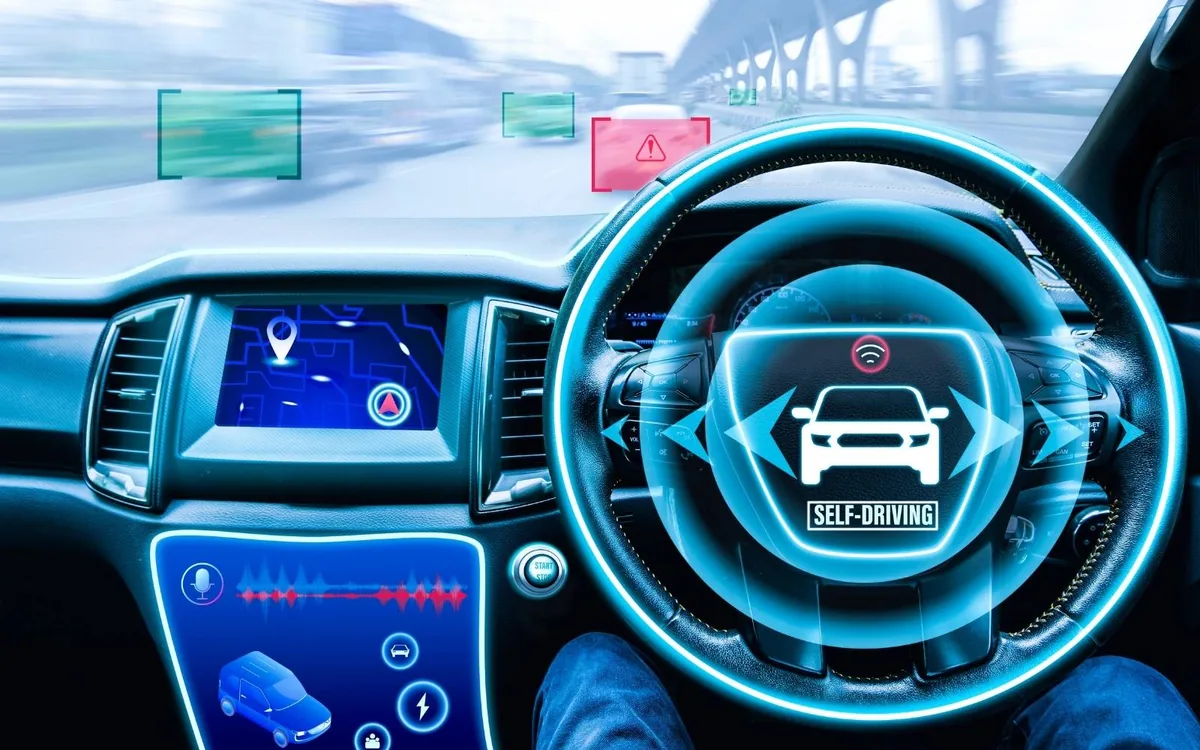
Human factors
Drivers accept automation when feedback loops feel honest—clear limits, predictable handoffs, and telemetry they can believe during edge cases.
Integration
Fleet APIs, OTA updates, and safety certifications only work when sensor data, maps, and control software share one architecture—not three vendors in a trench coat.

Engineering
From lidar fusion to redundant compute, Caaresys essays connect automotive innovation to decisions OEMs and mobility startups make this quarter.
“A sensor suite nobody calibrates in the field is just expensive plastic—scale only matters when data stays trustworthy mile after mile.”
Journal
Recent articles from Caaresys.
Evaluating mobility system performance requirements involves defining the specific metrics—such as accessibility, reliability, and efficiency—that a…
Read article
Sensor integration in mobility platforms is the process of combining diverse hardware—such as accelerometers, LiDAR, and cameras—into a unified system to…
Read article
Engineering coherent mobility platforms involves designing unified architectures where vehicle hardware, software, and data streams function as a single…
Read articleFAQ
Industry-focused essays on sensing, software integration, and trust in automated mobility—not consumer car reviews.
Read implementing advanced tech in mobility platforms and intelligent mobility systems.
Use the contact form; messages go to the Caaresys inbox.