
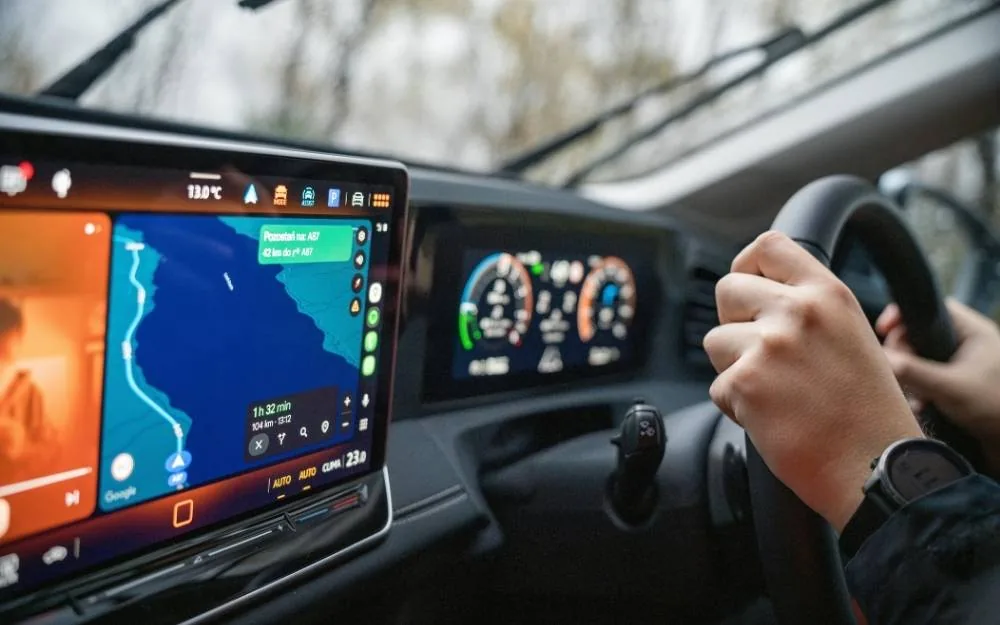
Implementing advanced technology in mobility platforms isn’t just a technical upgrade—it’s a strategic shift. The demand for safer, smarter, and more connected transportation requires systems built with precision, scalability, and long-term adaptability. Yet for many organizations, the challenge isn’t understanding the potential—it’s knowing where to begin.
A successful transition depends on a structured, realistic approach that prioritizes functionality, integration readiness, and user needs from day one. This guide breaks down the core steps required to deploy innovative mobility solutions effectively and sustainably. <h3><strong>1. Start With a Clear Strategy, Not a Feature List</strong></h3> The biggest mistakes in mobility tech implementation come from jumping straight to hardware or software decisions. Instead, define the objectives: <ul> <li>What problem is the technology solving?</li> <li>Who benefits from the outcome?</li> <li>How will it integrate into existing workflows?</li> </ul> Strong strategy ensures technology adoption follows purpose—not trend. <h3><strong>2. Build an Architecture Designed for Integration</strong></h3> Mobility platforms must work with multiple subsystems: sensors, telematics, communication protocols, AI-driven analytics, and external cloud platforms. That means integration is the priority—not an afterthought.
Key requirements include: <ul> <li>Open-standard communication protocols</li> <li>API compatibility</li> <li>Hardware modularity</li> <li>Upgradable firmware and software pathways</li> </ul> Without a flexible foundation, scaling becomes expensive and slow. <h3><strong>3. Prioritize Safety and Compliance Early</strong></h3> From autonomous functions to interior safety monitoring, advanced mobility systems must meet strict regulatory standards. Designing with compliance in mind shortens development cycles and prevents costly redesigns.
This includes: <ul> <li>Data handling policies</li> <li>Real-time alert accuracy</li> <li>Testing and validation procedures</li> <li>Regional regulatory alignment</li> </ul> Compliance isn't optional—it’s a competitive advantage. <h3><strong>4. Leverage Scalable Sensor and Data Systems</strong></h3> Sensors and analytics engines power the intelligence behind modern mobility platforms. The key is ensuring sensors are scalable and future-ready. This approach allows additional features to be added without reengineering the entire system.
Scalability supports: <ul> <li>Feature upgrades</li> <li>Enhanced AI training data</li> <li>Improved safety monitoring</li> <li>Compatibility with future mobility standards</li> </ul> Mobility evolves—your technology must evolve with it.
<img src=""more-posts">← All articles