
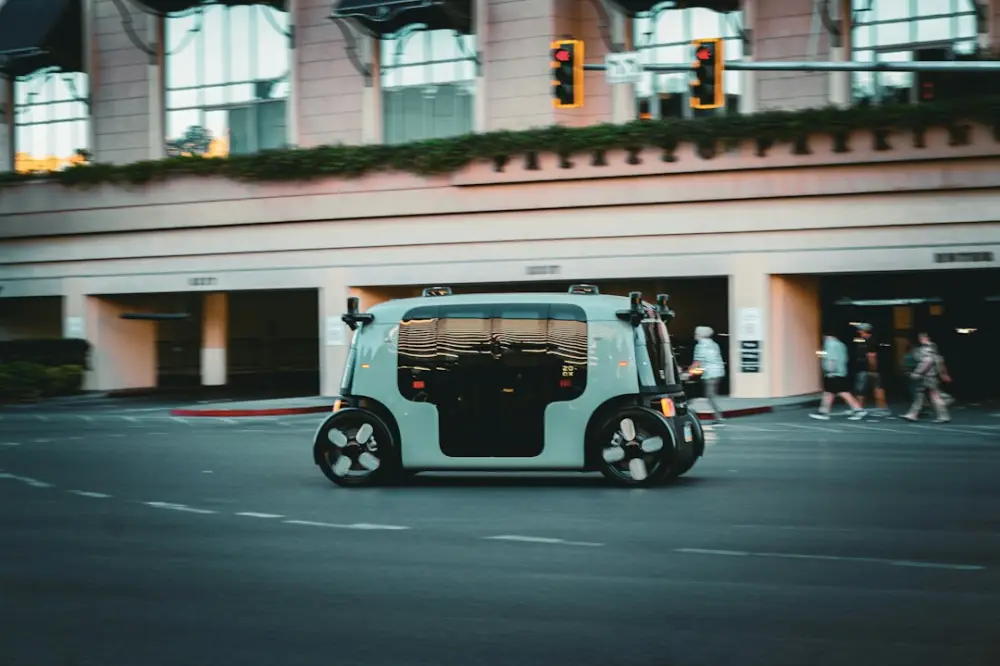
Hyperautomation is the strategic integration of advanced technologies like artificial intelligence (AI), machine learning (ML), and robotic process automation (RPA) to automate complex industrial processes. It extends beyond simple task automation by scaling end-to-end workflows, allowing systems to learn and make data-driven decisions with minimal human intervention for peak operational efficiency.
While traditional automation focuses on individual tasks, hyperautomation aims to create a cohesive ecosystem where digital tools interact seamlessly. In the context of modern industry, this shift represents a move from static, rule-based software toward dynamic environments that can adapt to real-time variables. By orchestrating multiple technologies, organisations can move past the limitations of legacy systems and embrace a more agile approach to technical infrastructure.
What is Hyperautomation? Defining the Next Level of Efficiency
Hyperautomation is more than just a buzzword; it is a disciplined approach to identifying, vetting, and automating as many business and technical processes as possible. It is often described as the "automation of automation." While standard automation might involve a script that moves data from one spreadsheet to another, hyperautomation involves a system that can identify the need for that data transfer, execute it, analyse the results for anomalies, and suggest improvements to the workflow itself.
The term was originally coined by research firm Gartner to describe the necessity of a multifaceted technology stack. In a hyperautomated environment, the goal is to create a "digital twin" of the organisation or system. This digital representation allows engineers and managers to see how different processes interact, where bottlenecks occur, and how AI can be injected into the loop to streamline operations. For mobility systems, this means moving from simple sensor alerts to integrated platforms that manage vehicle health, passenger safety, and navigation data simultaneously.
This level of efficiency is achieved through the removal of human-dependent silos. In many traditional setups, data must be manually verified or handed off between departments. Hyperautomation seeks to eliminate these friction points by ensuring that data flows through an intelligent pipeline, where machine learning models provide the cognitive layer required to handle unstructured data, such as images, voice, or complex sensor telemetry.
The Core Pillars: Combining RPA, AI, and Machine Learning
To understand how hyperautomation functions, one must look at its foundational components. It is not a single software package but a combination of several distinct technological pillars working in concert.
- Robotic Process Automation (RPA): RPA acts as the "hands" of the system. It handles repetitive, structured tasks that follow a specific set of rules. However, in a hyperautomation framework, RPA is enhanced. It no longer just follows a script; it becomes the execution layer for more complex decisions made by AI.
- Artificial Intelligence (AI) and Machine Learning (ML): These represent the "brain." AI allows the system to process unstructured data and recognise patterns that a human might miss. Machine learning enables the system to improve over time. As more data is processed, the algorithms become more accurate, reducing the error rate in predictive maintenance or object detection.
- Process Mining and Task Mining: These are the "eyes" of hyperautomation. Before a process can be automated, it must be understood. Process mining tools analyse system logs to see how work actually flows through an organisation, identifying the most impactful areas for automation.
- Low-Code/No-Code Tools: These platforms democratise the automation process, allowing subject matter experts who may not be software engineers to contribute to the automation ecosystem. This speeds up the deployment of new workflows across different departments.
When these pillars are integrated, the result is a system capable of sophisticated reasoning. For example, in a manufacturing setting, RPA might handle the physical sorting of parts, while ML models predict which parts are likely to fail based on thermal imaging data, and AI-driven logic automatically orders replacements before a breakdown occurs.
Automation vs. Hyperautomation: Understanding the Critical Differences
The transition from automation to hyperautomation is a shift in both scale and intelligence. Simple automation is typically discrete and linear. It is designed to perform a specific task—Task A leads to Task B. If Task B encounters an unexpected variable, the automation usually stops or requires human intervention to resolve the error.
Hyperautomation is non-linear and holistic. It focuses on the entire process chain rather than individual links. Below are the primary technical differences:
- Adaptability: Traditional automation is rigid. If the input format changes, the automation breaks. Hyperautomation uses AI to adapt to changes in input, such as reading a document that has been formatted differently or interpreting sensor data in varying weather conditions.
- Data Handling: Automation usually requires structured data (like SQL databases). Hyperautomation can handle unstructured data, including video feeds, emails, and sensor noise, by using natural language processing (NLP) and computer vision.
- Decision Making: Automation follows "if-then" logic. Hyperautomation uses "probabilistic" logic. It can assess the likelihood of various outcomes and choose the most efficient path forward, much like a human operator would, but at a much higher speed.
In short, while automation seeks to do things faster, hyperautomation seeks to do things smarter. It is the difference between a cruise control system that maintains a set speed and an autonomous driving system that navigates through city traffic.
Key Benefits and Challenges of Implementing Hyperautomated Workflows
Implementing hyperautomation offers significant operational advantages, but it is not without its technical hurdles. Engineers and stakeholders must balance the drive for efficiency with the realities of complex system integration.
Benefits
The most immediate benefit is unprecedented scalability. Because the system can learn and adapt, it can take on more complex workloads without a proportional increase in human oversight. This leads to a significant reduction in operational costs and an increase in throughput. Furthermore, hyperautomation improves data-driven accuracy. By removing the manual entry and interpretation of data, the risk of human error is virtually eliminated, which is critical in high-stakes environments like automotive safety or aerospace.
Challenges
The primary challenge is technical debt and legacy integration. Many organisations rely on older software that was never intended to interface with modern AI APIs. Bridging this gap requires significant middleware development. Additionally, there is the issue of data quality. Hyperautomation is only as good as the data feeding it; "garbage in, garbage out" remains a fundamental rule. If the initial machine learning models are trained on biased or incomplete datasets, the automated decisions will be flawed.
Finally, there is the human element. Moving toward a hyperautomated state requires a shift in organisational culture. Teams must learn to manage and audit AI systems rather than performing the tasks themselves. This transition requires a high level of AI Trust, ensuring that human operators understand the logic behind automated decisions and feel confident in the system's reliability.
Scaling Intelligence: Hyperautomation in Modern Mobility Systems
The mobility sector is perhaps the most fertile ground for hyperautomation. As vehicles transition from mechanical machines to software-defined entities, the need for integrated, intelligent workflows becomes paramount. How Intelligent Mobility Technology Is Redefining Modern Transportation Systems is largely a story of how data from disparate sources—lidar, radar, in-cabin cameras, and external infrastructure—is processed in real-time.
In modern mobility, hyperautomation manifests in several ways:
- In-Cabin Sensing and Passenger Monitoring: Instead of simple seatbelt sensors, hyperautomated systems use computer vision and AI to monitor passenger vitals, fatigue levels, and cognitive states. These systems don't just alert the driver; they can automatically adjust cabin temperature, lighting, or even initiate emergency protocols if a medical event is detected.
- Predictive Fleet Maintenance: For large-scale mobility providers, hyperautomation allows for the constant monitoring of thousands of vehicles. AI analyses vibration patterns and thermal data to predict component failure weeks in advance, while RPA automatically schedules the service and orders the necessary parts.
- Autonomous Navigation and Edge Computing: Scaling autonomous systems requires the ability to process massive amounts of data at the "edge" (on the vehicle itself). Hyperautomation enables the vehicle to prioritise which data is critical for immediate safety and which can be uploaded to the cloud for long-term model training.
By scaling intelligence through hyperautomation, the automotive industry can move beyond simple driver assistance. We are entering an era where the mobility ecosystem is a self-healing, self-optimising network. This level of integration ensures that safety and efficiency are not just features added to a vehicle, but are fundamental characteristics of the entire transportation infrastructure. As these systems continue to evolve, the focus will remain on refining the synergy between AI and RPA to create a seamless, human-centric mobility experience.