The Evolution of the Automotive Brain
For decades, the relationship between a driver and their vehicle was purely mechanical. A turn of the wheel resulted in a change of direction; a press of the brake resulted in friction. However, we have entered an era where the vehicle is no longer a passive tool, but an active participant in the journey. The shift from simple automation to complex automated decision-making represents one of the most significant leaps in the history of transportation. It is the moment the vehicle stopped merely reacting and started thinking.
This cognitive shift is a core component of how intelligent mobility technology continues to redefine the safety and efficiency of modern transportation systems.
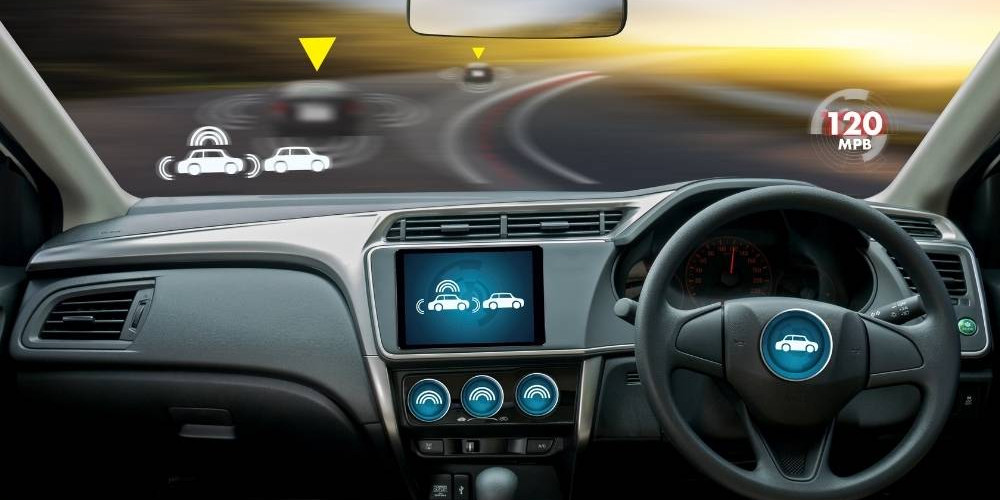
As we look at the landscape of intelligent mobility, it is clear that the industry is moving past the ‘perception’ phase. While the last decade focused on giving cars eyes—through cameras, LiDAR, and radar—the current decade is focused on giving them a brain. This cognitive evolution is redefining the way vehicles interpret the world, prioritize safety, and interact with their occupants.
Beyond Perception: The Shift to Cognitive Mobility
In the early days of advanced driver-assistance systems (ADAS), technology was largely binary. A sensor detected an object, and a warning was issued. While life-saving, these systems lacked context. They couldn’t distinguish between a plastic bag blowing across the road and a small animal, or understand that a driver’s erratic steering might be due to a medical emergency rather than simple distraction.
The integration of automated decision-making software has changed this dynamic. Modern vehicles now employ sophisticated algorithms that process vast amounts of data in real-time to create a holistic understanding of both the external environment and the internal cabin state. This transition from ‘seeing’ to ‘understanding’ is what allows a vehicle to make nuanced decisions that mimic human intuition, but with the speed and precision of a processor.
The Crucial Role of In-Cabin Intelligence
Perhaps the most profound change in vehicle cognition is the industry’s newfound focus on the interior environment. For years, automotive innovation looked outward, but the next frontier of automated decision-making is looking inward. By utilizing high-resolution in-cabin sensing, vehicles can now monitor the physiological and psychological state of the driver and passengers.
When a vehicle can detect a driver’s heart rate, respiratory patterns, or cognitive load, it gains a vital piece of the puzzle. If the software determines the driver is fatigued or unresponsive, the decision-making engine can transition the vehicle into a high-safety mode, adjust cabin temperature to increase alertness, or even safely pull the vehicle to the side of the road. This level of ‘thinking’ transforms the car into a guardian rather than just a mode of transport.
The Architecture of an Intelligent Decision
How exactly does a vehicle ‘think’? The process is a complex orchestration of data ingestion and logic. To achieve reliable automated decision-making, the software must navigate several layers of processing:
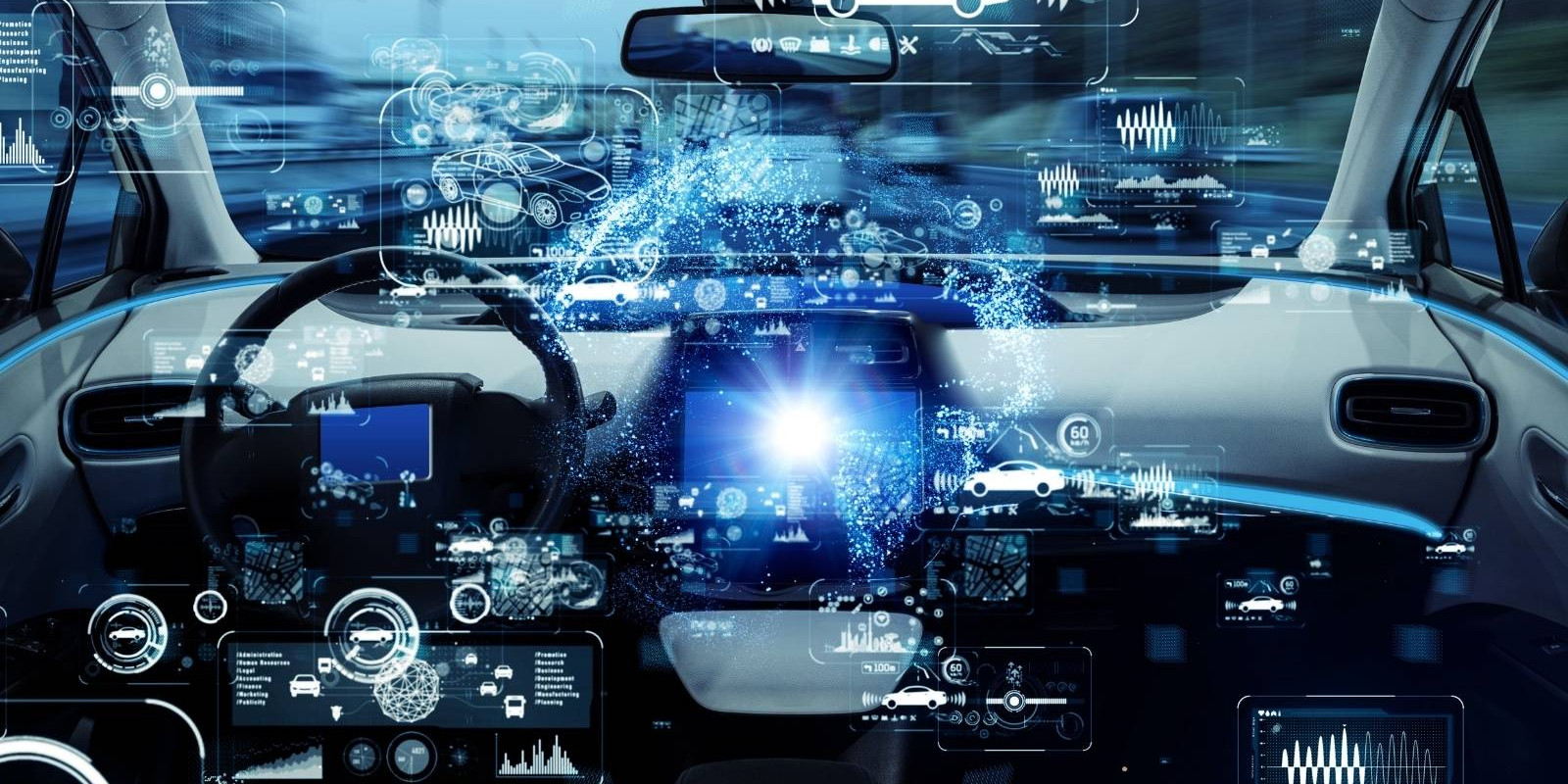
- Data Fusion: Combining inputs from external sensors (LiDAR, cameras) with internal sensors (vital sign monitoring, seat occupancy) to create a 360-degree situational map.
- Contextual Analysis: Using machine learning models to predict the intent of other road users and the state of the vehicle’s own occupants.
- Path Planning and Risk Assessment: Calculating thousands of potential outcomes every second and selecting the path that minimizes risk while maintaining efficiency.
- Execution: Translating the chosen decision into mechanical action, such as braking, steering, or alerting the driver.
This architecture allows for a level of predictive logic that was previously impossible. Instead of reacting to a collision that is already occurring, the vehicle can identify the sequence of events leading up to a potential accident and intervene before the danger becomes critical.
Redefining Safety Through Predictive Logic
The editorial consensus among mobility experts is that we are moving toward a ‘zero-accident’ future, but this cannot be achieved through hardware alone. The hardware—the sensors and the chassis—provides the capability, but the automated decision-making software provides the execution. By analyzing patterns and anomalies, intelligent mobility platforms can now foresee hazards that a human eye might miss.
For instance, an intelligent vehicle can analyze the trajectory of a pedestrian on the sidewalk and the speed of a car in the adjacent lane. If the software detects a likely intersection of these two paths, it can preemptively prime the brakes. This is not just a reaction; it is a calculated decision based on probability and physics.
The Human-Machine Synergy
One might assume that as vehicles become smarter, the human element becomes less important. In reality, the opposite is true. Automated decision-making is designed to enhance the human experience, not replace it. By taking over the high-frequency, low-complexity decisions (like maintaining lane position or monitoring blind spots), the software frees the driver from cognitive fatigue.
Furthermore, by understanding the occupant’s needs, the vehicle can tailor the environment to the individual. Whether it is adjusting the airbag deployment force based on the exact size and position of a passenger or optimizing the climate control based on detected stress levels, the vehicle is finally learning to think in a way that prioritizes human well-being.
Conclusion: The Future of the Thinking Machine
The transition to truly intelligent mobility is not a destination but a continuous evolution. As automated decision-making software becomes more refined, the line between the vehicle and the passenger will continue to blur. We are moving toward a future where vehicles are not just tools we use, but partners that understand our needs, predict our intentions, and ensure our safety through a level of digital cognition that was once the stuff of science fiction.
At Caaresys, we understand that the future of mobility lies in this intersection of sensing and thinking. By developing the technology that allows vehicles to truly ‘see’ their occupants and understand their environment, we are helping to build a world where transportation is safer, smarter, and more human-centric than ever before.